With a broad assortment, complex supply chains and multiple sourcing models it is necessary for us to have great insights into our manufacturing base. This gives us a better understanding of important social conditions such as labour conditions and health and safety.
Embracing and mapping our circularity
As a retailer, it comes as no surprise that our products are the largest impact contributors. We have made significant progress in generating the necessary insights on the circularity of our products.We have developed specific circularity plans for half of our product categories to identify opportunities to reduce their footprint and increase their circularity. In 2022, we will develop plans for the remaining product categories.
Exceeding goals on cotton and timber
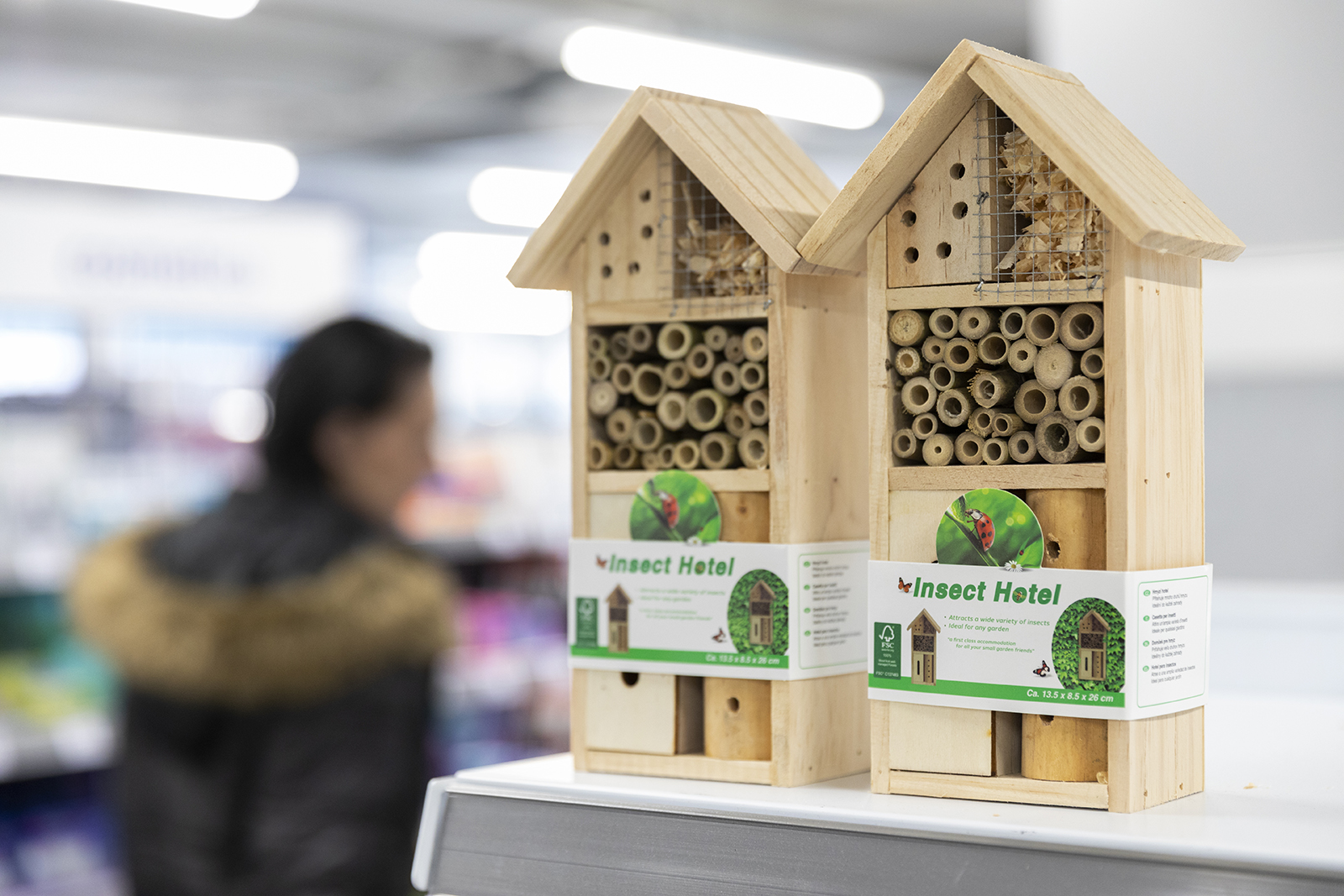
In the past years, we have prioritised timber and cotton, in our efforts to create positive impact for the raw materials we use. Ahead of our goals, in 2021 70% of our timber-based products and 86% of our cotton products were sourced more sustainably. We therefore decided to bring our goal of achieving 100% sustainable sourcing for these materials forward to 2024. We are increasingly looking at other raw materials sourced for our products that can make a large positive social or environmental impact.
Sustainable labels to guide customers
We are increasingly able to offer our customers more certified sustainable products. Customers can find more and more products with sustainability labels on our shelves: FSC and PEFC for timber products, Fairtrade for chocolate, Rainforest Alliance for coffee and OEKO-TEX for textiles.
Read more about our policies for Responsible Sourcing